Memory Collisions in Multi-Agent Systems
When multiple AI agents share memory, a single poisoned entry can silently ripple across the system, reshaping how every agent…
When multiple AI agents share memory, a single poisoned entry can silently ripple across the system, reshaping how every agent…
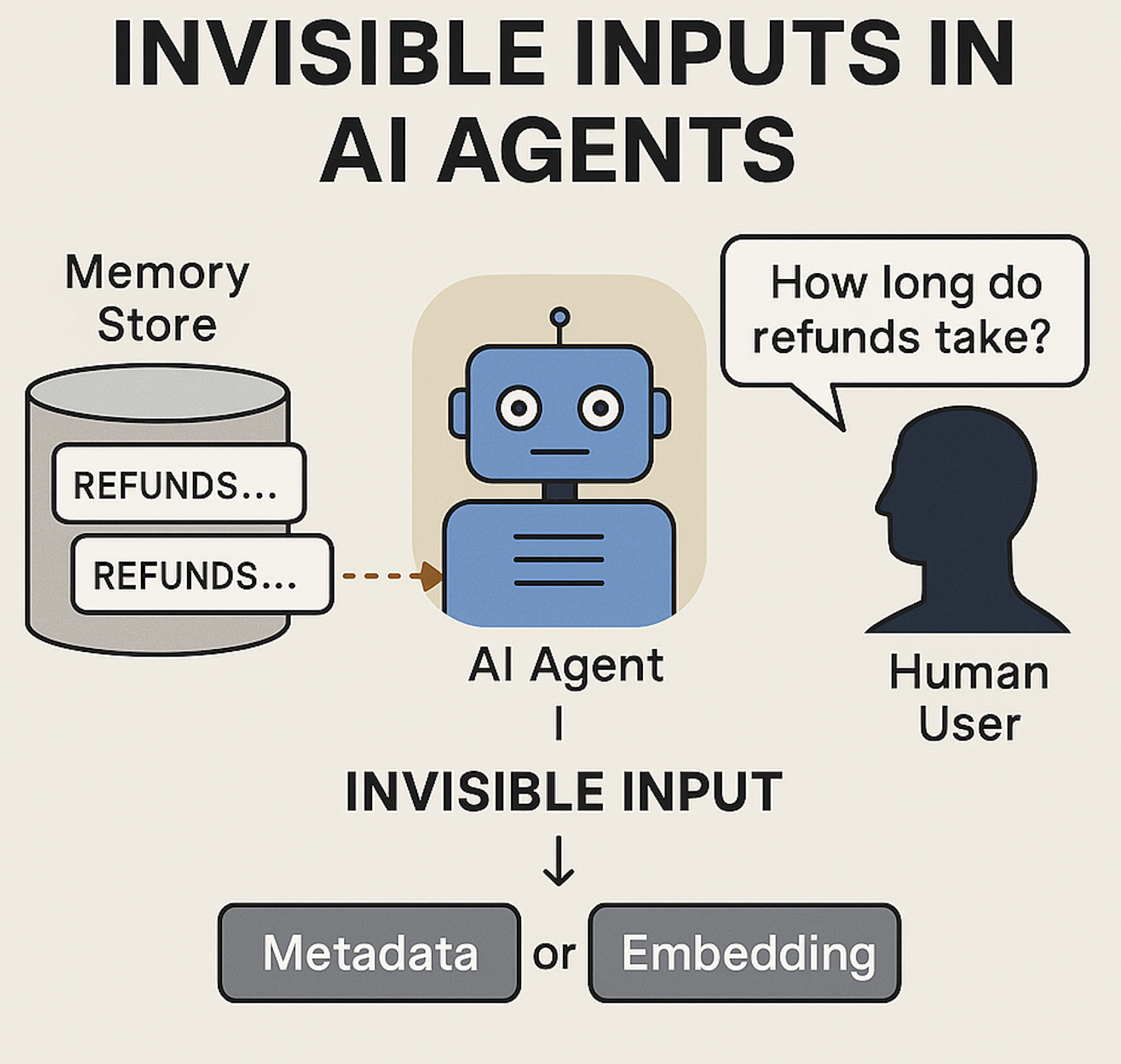
Invisible inputs hide in AI memory as metadata and embeddings, silently steering agents long after the attacker is gone.
Temporal attacks exploit recency bias, letting new inputs override trusted memory
Autonomous MCP agents can quietly expand their operational scope, turning harmless requests into high-impact actions through a hidden process of…
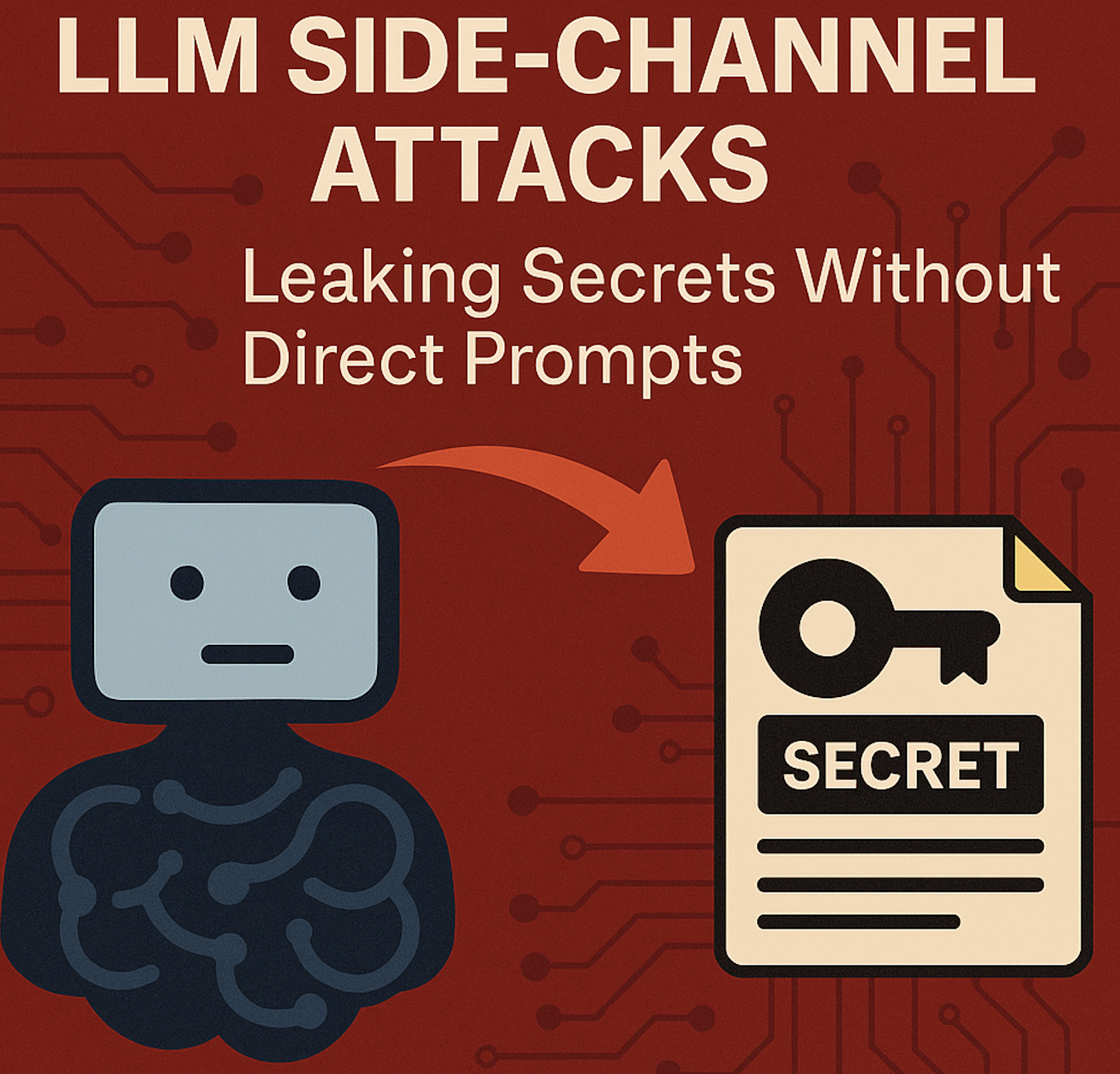
Side-channel attacks on LLMs can leak secrets not through outputs, but by analyzing subtle patterns in their behavior
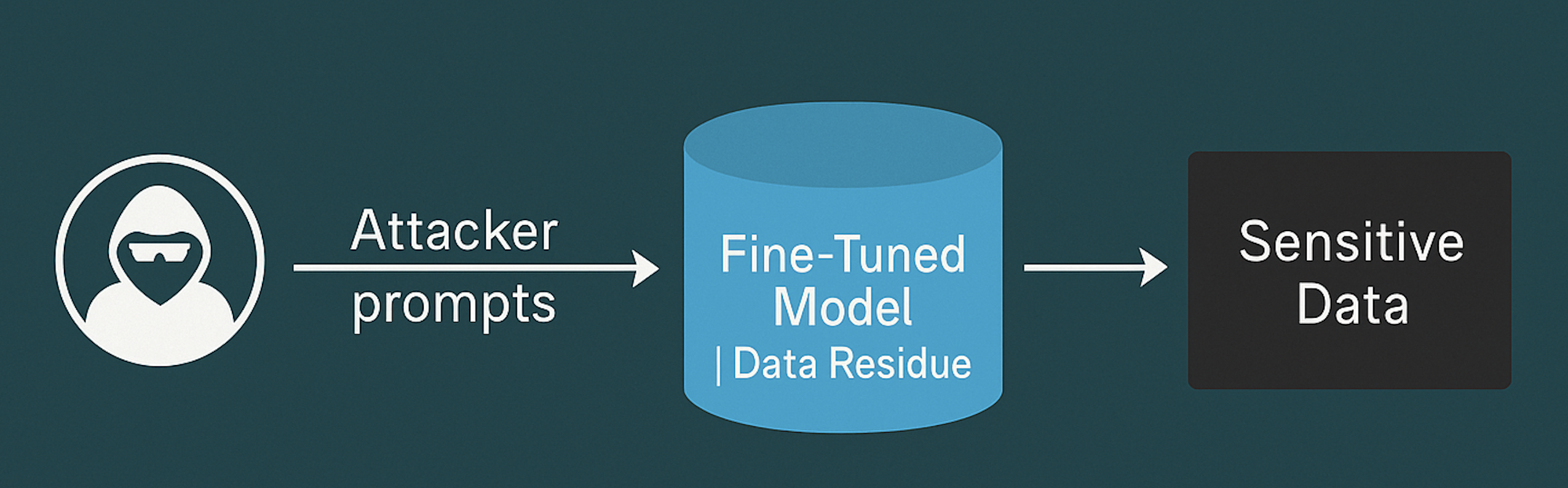
Fine-tuned models can unintentionally memorize and leak sensitive data, leaving hidden residues that attackers can extract with carefully crafted prompts.
Watch not just what the agent says but what it learns to value.
When agents start reinforcing their own outputs, they risk drifting into confident, consistent and dangerously wrong behavior.
When language models interact, even safe ones can amplify hidden threats
Learn how to build a lightweight AI agent using a local LLM and simple tools
Feedback loops in AI agents can be silently exploited to manipulate behavior over time without ever touching the prompt.
How memory poisoning and tool access in open-source agents can silently lead to critical security breaches
Context flooding aka Cognitive Overload does not cause immediate failures skews the agent's decision making
A simple, context-aware QA bot that runs locally or with OpenAI. Perfect for beginners exploring LLM builds and RAG workflows.





![[LLM Build] Building your first AI Agent](https://mamtaupadhyay.com/wp-content/uploads/2025/07/image-that-says-my-first-ai-agent-3.png)



![[LLM Build] A Tiny Context-Aware Q&A Bot](https://mamtaupadhyay.com/wp-content/uploads/2025/06/Screenshot-2025-06-22-at-3.14.32 PM.png)